Australian Study Reveals Pressures Facing Teenage Boys
A landmark national study looks at the pressures shaping Australian teenage boys, revealing that many still feel bound by outdated ideas of what it means to “be a man”.
Released in Melbourne on November 10, the Adolescent Man Box study — led by social change organisation Jesuit Social Services — surveyed 1,401 Australian adolescents aged 14 to 18, including 655 boys, 736 girls and 10 non-binary young people. It is described as the first study of its kind in Australia to explore how adolescents perceive and endorse stereotypical masculine norms, and how those beliefs influence behaviour, wellbeing, and relationships.
At the launch, one teenage participant from Xavier College said there was pressure on boys to act a certain way, “to stay strong, hide emotions and never ask for help. A lot of us don’t have role models that show us we can be real, strong, kind, gentle. It’s okay to let people see what’s really going on inside. That’s why this project matters.”
Jesuit Social Services CEO Julia Edwards said the research, conducted under its Men’s Project initiative, was a critical step in understanding why too many boys and men are struggling. “We want to do more to see boys and men flourish,” she said citing a range of statistics that demonstrate how men and boys are not flourishing. These ranged from rates of suicide (75% male), the number of men in prison (90-95%) and the number of boys who are excluded from school (80%). “Many of the men who use violence have been victims of violence themselves, often from an early age,” said Edwards. “The harm they experienced has never been treated or even known by another person. This fuels a vicious cycle of trauma that we want to do something about.”
Pressures and Patterns
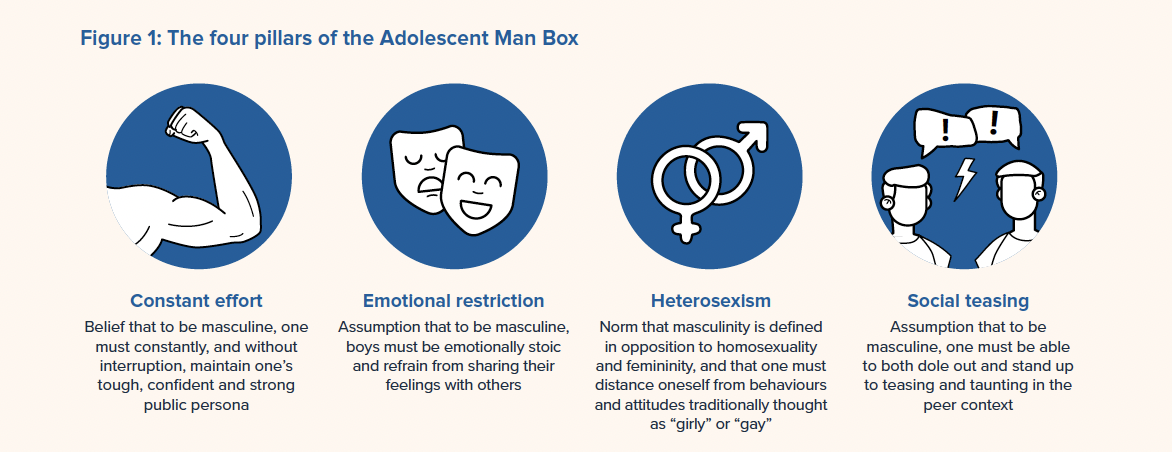
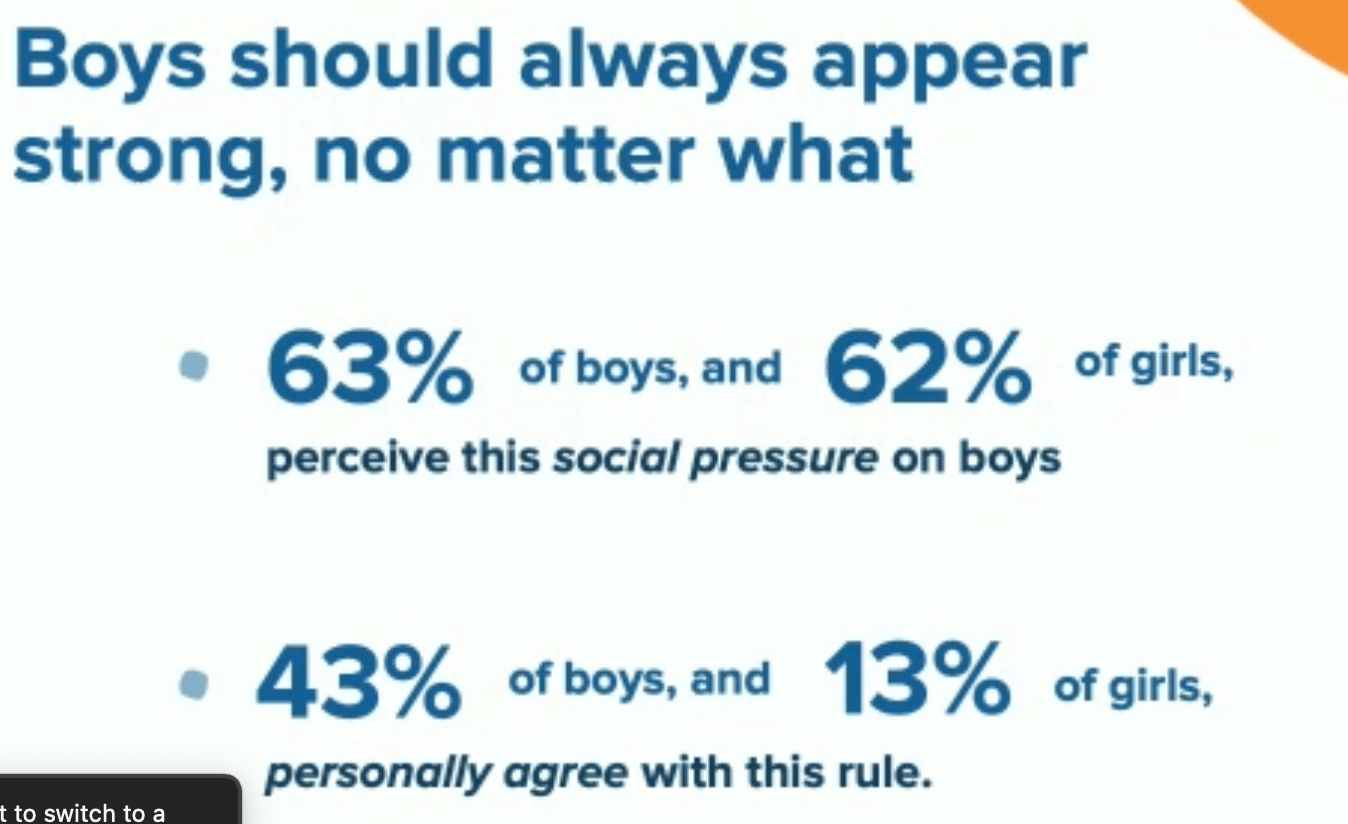
The Adolescent Man Box draws its name from a set of 27 “rules” describing stereotypical male behaviour, grouped into four themes: constant effort to be manly, emotional restriction, heterosexism, and social teasing. Participants were asked to indicate how much they agreed with statements such as “a teenage boy must always appear confident even if he isn’t” and “when a teenage boy has a fear, he should keep it to himself.”
While many boys rejected rigid masculine stereotypes, a significant proportion still endorsed them. Seventy-one per cent of boys and 35 per cent of girls agreed with at least half the “rules”.
From the Adolescent Man Box
Twelve Priorities for Change
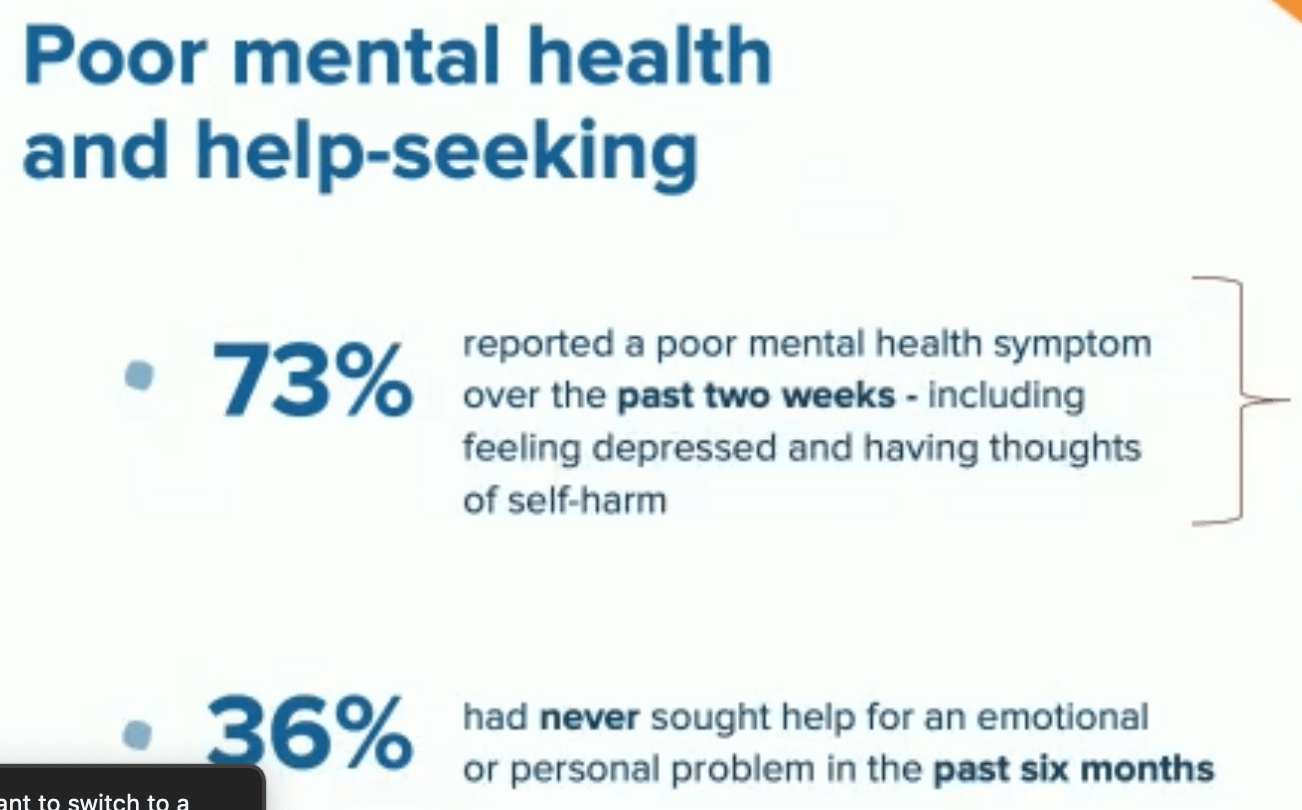
Jesuit Social Services’ report sets out twelve “priority outcomes” to promote the wellbeing of boys and those around them. These include recovery from violence and abuse, encouraging help-seeking, normalising diverse masculinities, rejecting violence-supportive attitudes, fostering gender equality, and increasing empathy for LGBTQIA+ peers.
Other key priorities include healthier responses to rejection, understanding digital consent, rejecting image-based abuse, mitigating the harms of pornography, improving bystander confidence, and sustaining hope for the future.
The report calls for programs that help boys develop emotional regulation, conflict resolution and digital literacy skills, while promoting respect and inclusion in schools and communities.
From the Adolescent Man Box
Recommendations for Reform
To achieve these outcomes, Jesuit Social Services outlines five immediate and two long-term recommendations.
The first calls for school-based prevention programs — including Respectful Relationships Education — to reflect adolescents’ lived experiences, addressing digital harms, rejection, pornography and help-seeking. Governments are urged to increase teacher training and invest in age-appropriate resources co-designed with young people.
The second recommendation focuses on early intervention, urging the Federal Government and philanthropists to fund trials that test effective programs for boys at risk of violence or disengagement. Place-based community pilots are proposed for areas where youth violence is of concern.
The third calls for a national investment in trauma-informed services to help children and young people recover from violence or abuse. These services, it argues, must treat adolescents as victim-survivors in their own right — not just as future offenders — and be easily accessible where young people live, learn and socialise.
Recommendation four turns to parents and carers, urging the creation of practical resources — podcasts, guides and digital toolkits — to help adults talk to boys about rejection, pornography, consent, and masculinity. Employers are encouraged to provide parents with flexible time to build connections with their children.
The fifth recommendation targets the digital world, calling on the Federal Government to strengthen online safety laws and require technology companies to introduce “safety-by-design” features. The report highlights the influence of misogynistic content, violent pornography and coercive online behaviour in shaping boys’ attitudes and calls for stronger accountability from social media and pornography platforms.
Two broader recommendations seek systemic reform. One proposes a five-year National Action Plan for children and young people who have experienced violence or abuse, with accountability mechanisms and youth representation built into its governance. The other urges the creation of a national evidence-sharing mechanism to track progress and evaluate interventions, ensuring that future policies are informed by data, lived experience, and long-term outcomes.
DOWNLOAD THE FULL ADOLESCENT MAN BOX STUDY 2025
ADOLESCENT MAN BOX EXECUTIVE SUMMARY
ADOLESCENT MAN BOX RECOMMENDATIONS