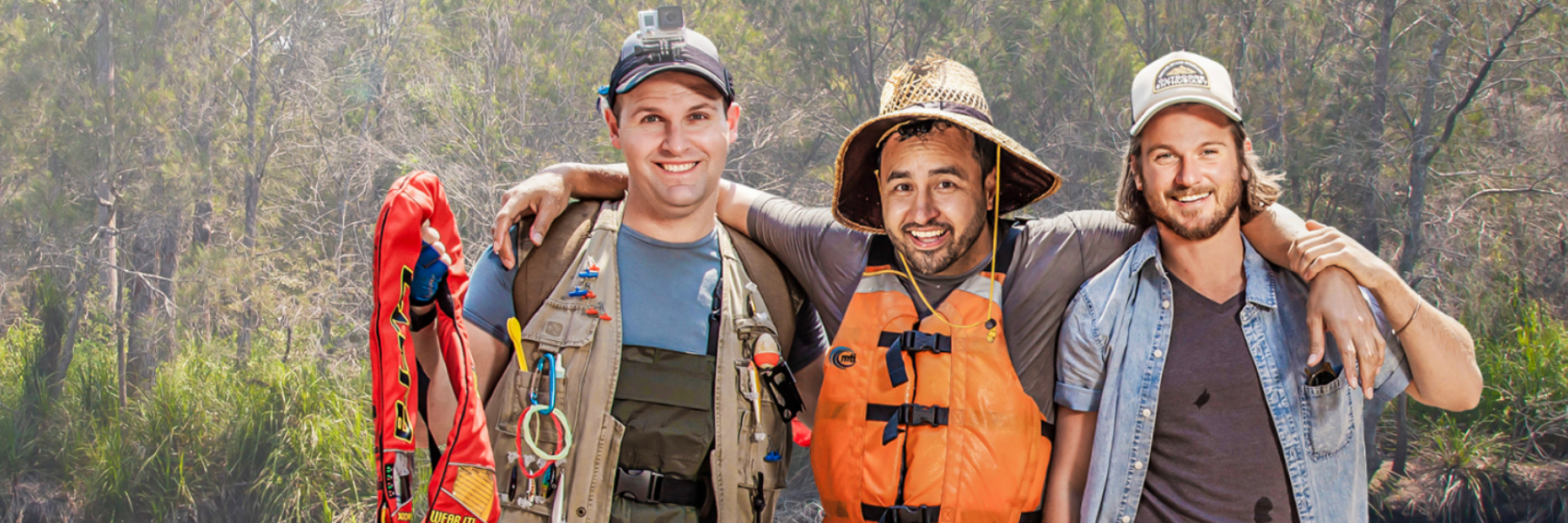
Drowning strategy targets young men
Since the start of summer, 33 people have lost their lives to drowning in Australia, a stark reminder of a growing national safety issue.
With drowning deaths trending upward since the COVID-19 pandemic, the Australian Water Safety Council has released the Australian Water Safety Strategy 2030 midpoint update, setting an ambitious goal to reduce drowning deaths by 50 per cent by the end of the decade.
While drowning affects people across all ages and communities, the burden is not evenly shared. Males, people aged over 55, and those from culturally and linguistically diverse backgrounds are disproportionately affected. Among those most at risk are young men aged 15 to 29, a group consistently over-represented in drowning statistics.
According to the strategy, young men are not necessarily at higher risk because they lack swimming ability. Instead, they are more likely to take risks around water, particularly in unpatrolled or unfamiliar environments.
The report estimates that an average of 46 lives are lost to drowning each year among males in this age group alone.
To address this, the strategy identifies three key areas that matter most in preventing and reducing drowning among young men aged 15–29:
-
High school programs and water safety education, delivered in partnership with youth and community organisations.
-
Youth-led campaigns that reflect how young people connect, communicate and influence one another, ensuring water safety messages appear on the platforms young people already use.
-
Segmented approaches within the 15–29 age group, recognising how demographic, socio-economic and cultural factors shape behaviour, and prioritising those with limited access to safe swimming spaces and water safety education.
Australian Water Safety Council Convener and Royal Life Saving Australia CEO Dr Justin Scarr says young men can be particularly difficult to reach through traditional health and safety messaging.
“We do believe you can't really separate awareness of water safety from the skills and capabilities to use our waterways successfully," he said.
“So there is a link between knowing how to swim and knowing where to swim and knowing why not to swim. Alcohol is a significant factor, and we're working very closely with campaigns and also providers, sorry, managers of recreational water spaces to reduce the opportunity for alcohol consumption. But traditionally, it's very difficult to get to young men, and that's why we think boosting life-saving programs in high schools is a pretty good way to go.”
The scale of the challenge is reinforced in the National Drowning Report 2025, published by Royal Life Saving Australia and Surf Life Saving Australia. The report recorded 357 drowning deaths in the past year, a figure 27 per cent higher than the 10-year average.
Dr Scarr described the findings as a warning sign for the nation.
“This is a wake-up call. Drowning deaths have surged to unprecedented levels. The decline in swimming skills, an ageing population, and more people heading to remote and unfamiliar locations away from lifesaving services are causing concern.”
He also highlighted the long-term risks created by gaps in early swimming education.
“Half of all children leave primary school unable to swim 50 metres and float for 2 minutes, causing lifelong risk. To reverse this tragic drowning trend, every Australian, regardless of postcode or background, must have access to swimming lessons, a great local swimming pool or a safe place to swim.”
DOWNLOAD THE AUSTRALIAN WATER SAFETY 2030 MIDPOINT UPDATE
LEARN MORE ABOUT ROYAL LIFE SAVING AUSTRALIA’S MAKE THE RIGHT CALL CAMPAIGN